A cleaning problem needs professional help when the hazard is uncertain, the contamination extends beyond an accessible surface, the work requires regulated or specialized handling, or you cannot protect the people and building while doing it. Stop before experimenting if the problem involves sewage, extensive mold or water damage, suspected asbestos or lead dust, unknown chemicals, active pests, a dangerous odor, structural instability, or electricity near water.
Call emergency services before a cleaner when necessary
Leave and use the appropriate local emergency channel for a gas odor, fire or smoke, carbon-monoxide alarm, sparking equipment, collapse risk, severe breathing difficulty, unconsciousness, or an uncontrolled chemical release. A cleaning contractor is not the first responder for an active emergency.
For a possible poisoning or cleaner exposure in the United States, contact Poison Control at 1-800-222-1222 or use webPOISONCONTROL. Outside the U.S., use the local poison center or emergency service. Do not create another chemical reaction while trying to neutralize a spill.
Water, sewage, and mold
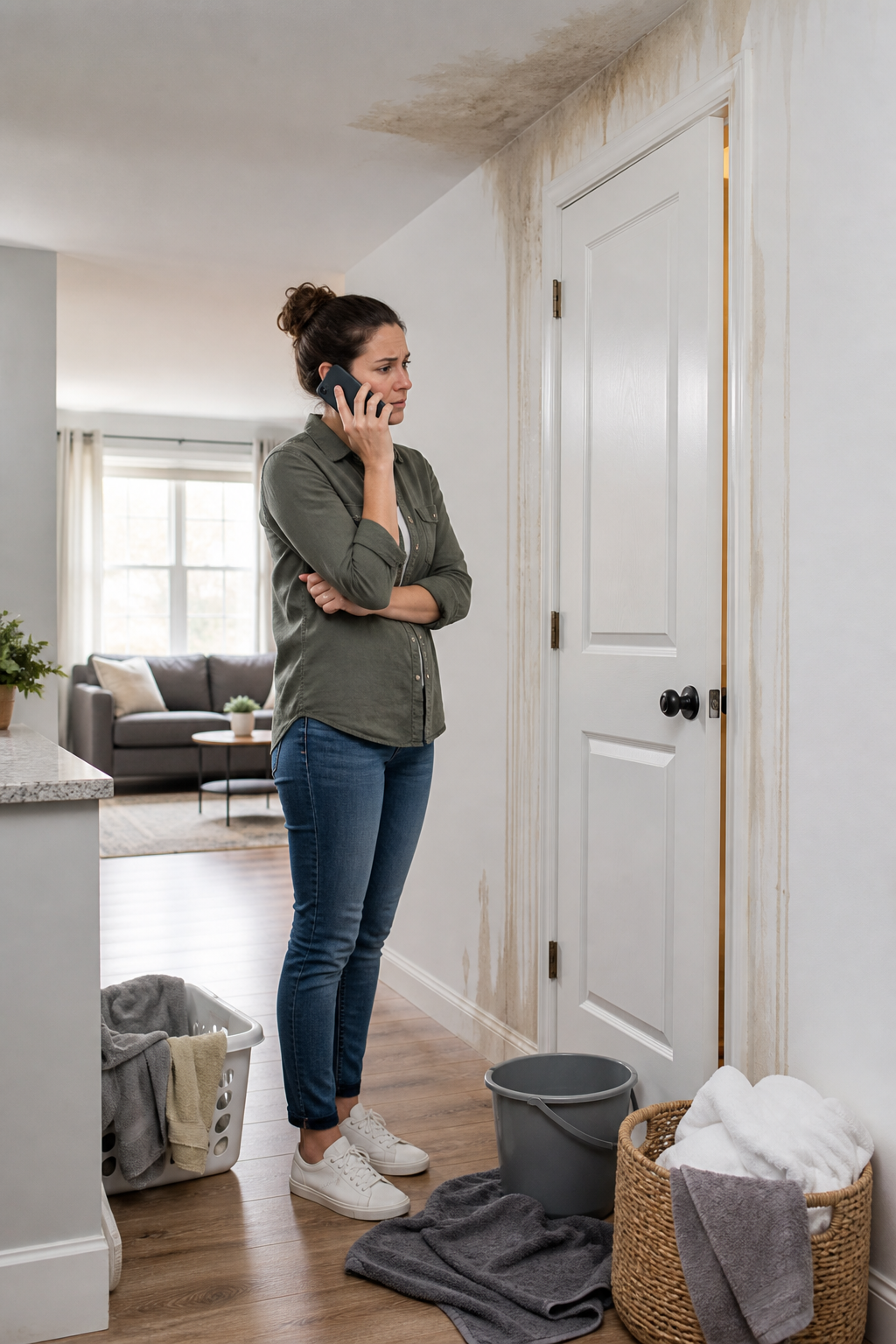
Professional restoration is appropriate when water is contaminated, covers a large area, has entered walls or flooring, or cannot be removed and dried with equipment you can use safely. EPA recommends experienced professional help for sewage or contaminated-water damage.
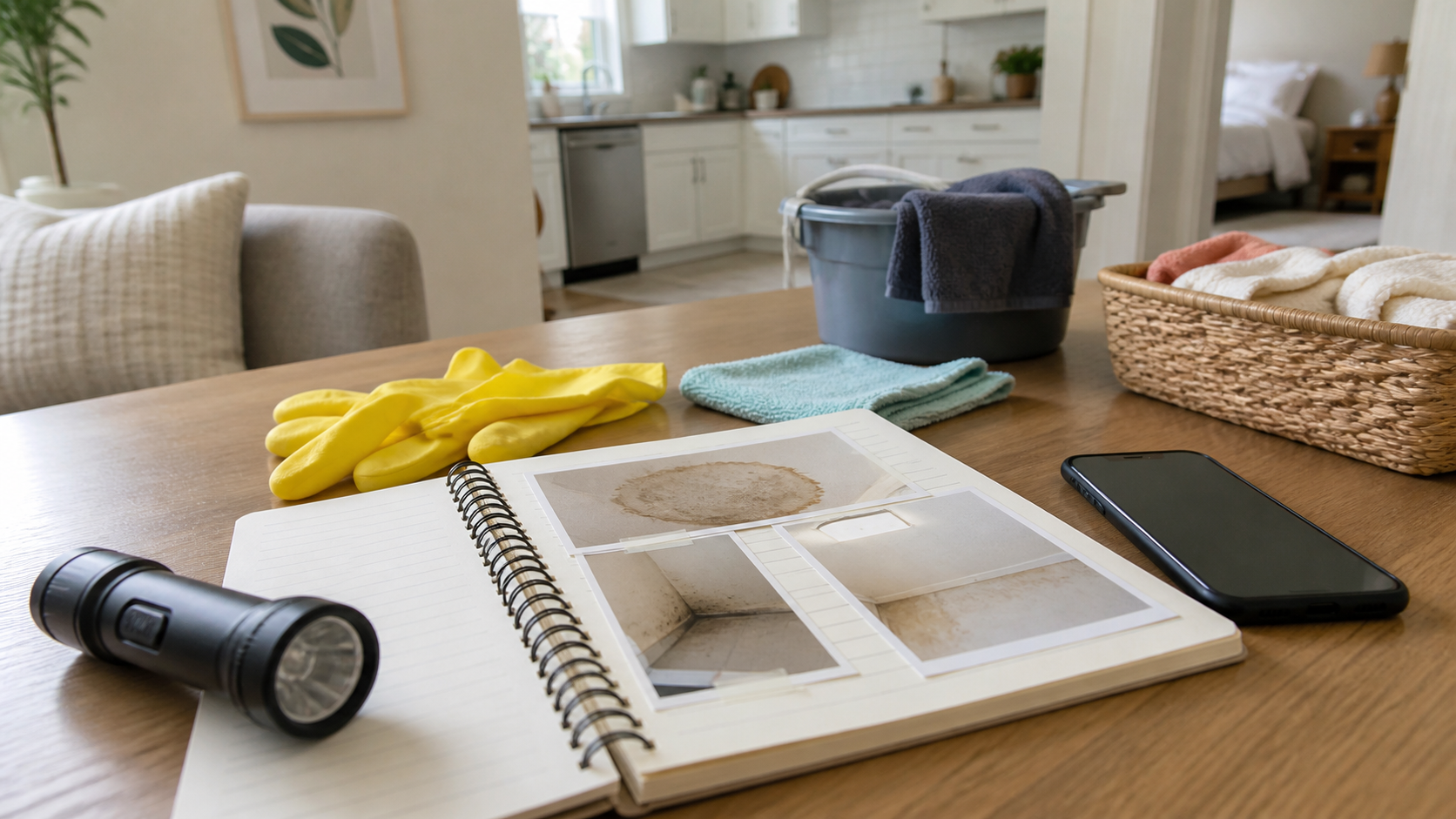
For mold, EPA says an area under about 10 square feet can often be handled by the occupant, but size is only one factor. Seek qualified help for larger growth, substantial water damage, recurring or hidden mold, or suspected HVAC contamination. Do not run an HVAC system that may contain mold because it can spread contamination.
People with allergies, immune suppression, underlying lung disease, asthma, or COPD should not perform mold cleanup. Health questions belong with a healthcare professional, not a remediation salesperson.
Hazardous materials and unknown residues
Do not treat a building material that may contain asbestos or lead as ordinary dirt, or begin sanding, scraping, drilling, or dry-sweeping before identifying the risk and the correct precautions. The age of a building alone cannot confirm what a material contains. Local authorities or an appropriately qualified inspector can explain whether testing or licensed abatement is required.
Unknown powders, leaking containers, pesticide concentrates, drug-production residue, mercury, sharps, and large bodily-fluid contamination are also reasons to isolate the area and obtain situation-specific advice. Do not smell a container closely or mix something into the material to identify it.
Pests, droppings, and animal waste
A small, ordinary household cleanup is not the same as an infestation. Professional pest control may be needed when pests are active inside walls, droppings are widespread, nests are present, animals can bite or sting, or exclusion work affects the building. The correct cleanup method depends on the animal and local disease risks. CDC specifically warns against sweeping or vacuuming rodent urine, droppings, or nests before disinfection; for unknown waste, identify the source and obtain appropriate guidance first.
Delicate, valuable, or technically complex surfaces
Professional help can also be about preventing damage rather than managing a health hazard. Antique textiles, artwork, stone, specialty flooring, smoke-damaged contents, electronics, and sentimental objects may require conservators or material-specific technicians. Stop when a test area changes color, finish, texture, gloss, or adhesion.
Likewise, leave high exterior windows, steep roofs, confined spaces, and heavy furniture to people with the correct access and lifting equipment. A job is not DIY merely because the soil itself is ordinary.
How to choose the right professional
Match the provider to the problem. Ask for relevant experience, references, proof of insurance, any locally required license, a written scope, containment or disposal methods, and the standard used to decide the work is complete. For water work, ask how moisture will be measured. For mold, ask how the moisture source will be corrected. For valuable objects, ask about conservation training.
Avoid a provider who diagnoses every problem from a photograph, pressures you into immediate unnecessary treatment, or promises a permanent result without addressing the cause. When the scope is costly or unclear, a second opinion can be worthwhile if delaying does not create additional danger.
Sources
- EPA: Mold Cleanup in Your Home
- CDC: Mold Clean Up Guidelines and Recommendations
- Poison Control: Cleaning Product Safety